Through-Hole Assembly – Manual and Automated Soldering
Through-hole assembly, also known as THT, represents the traditional yet still indispensable method of manual and automated soldering in electronics manufacturing. Certain components cannot be mounted using surface-mount technology due to their size, mechanical requirements, or design characteristics. In these cases, components are inserted into drilled holes in the printed circuit board and soldered using through-hole assembly methods.
While surface-mount assembly provides an efficient solution for small electronic components, through-hole soldering creates stronger mechanical connections. This makes the technology particularly suitable for larger components or applications where the PCB is exposed to mechanical stress.
Manual Soldering – A Precise and Controlled Process
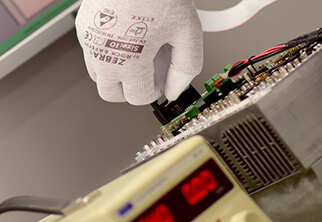
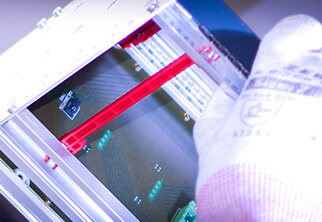
During manual soldering, the insertion and soldering of THD components are carried out by experienced technicians who receive regular professional training. One of the advantages of manual soldering is that the quality of the solder joint can be visually verified immediately, allowing potential defects to be detected and corrected during the assembly process.
We use modern soldering equipment and high-quality materials to ensure stable and reliable connections. Manual soldering is especially suitable for small production volumes, PCBs with special layouts, or engineering modifications that require flexible assembly solutions.
Wave Soldering
Efficient Automated Production
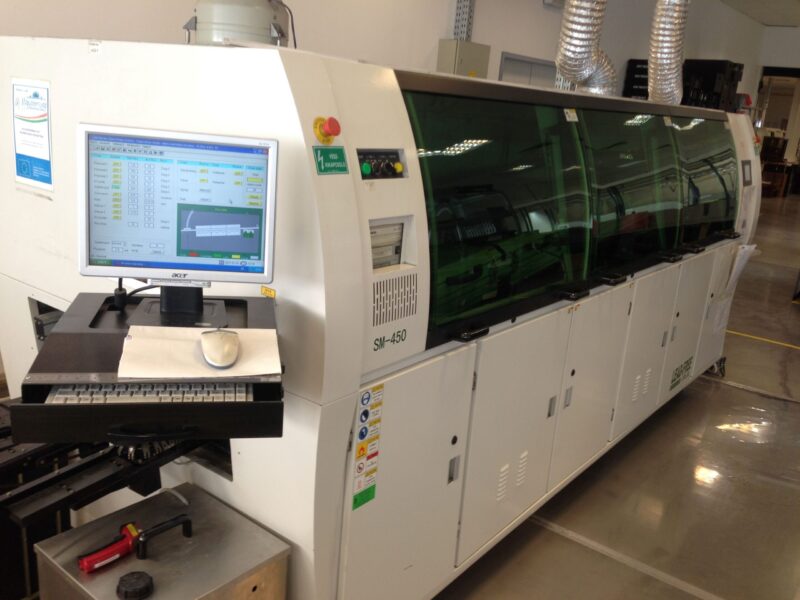
For larger production volumes and suitable PCB designs, wave soldering provides one of the most efficient automated through-hole soldering technologies. This method enables the fast and consistent soldering of boards populated with a high number of through-hole components.
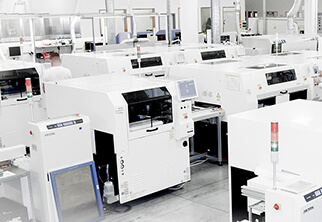
TheHB HW350-N-450 and Vitronics DELTA5 wave soldering systems used at ElektroMont ensure uniform thermal exposure and reproducible soldering quality. During the process, assembled boards pass through a fully automated sequence that includes flux application, preheating, and the solder wave itself, minimizing the potential for process variation.
Selective Soldering
Precision for Complex Assemblies
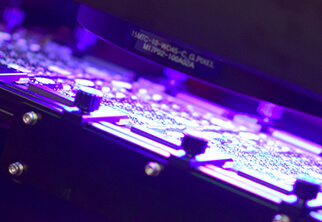
For complex mixed-technology boards where SMD components have already been soldered in a reflow oven and are located close to through-hole components, selective soldering provides a controlled and targeted solution.
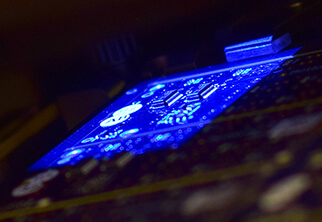
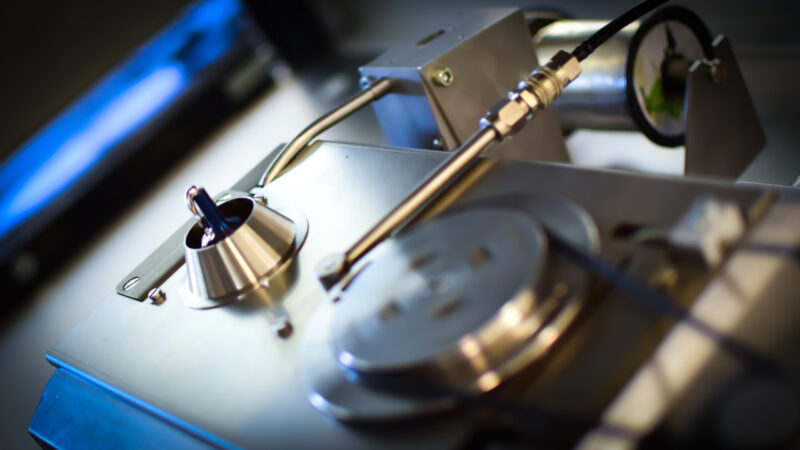
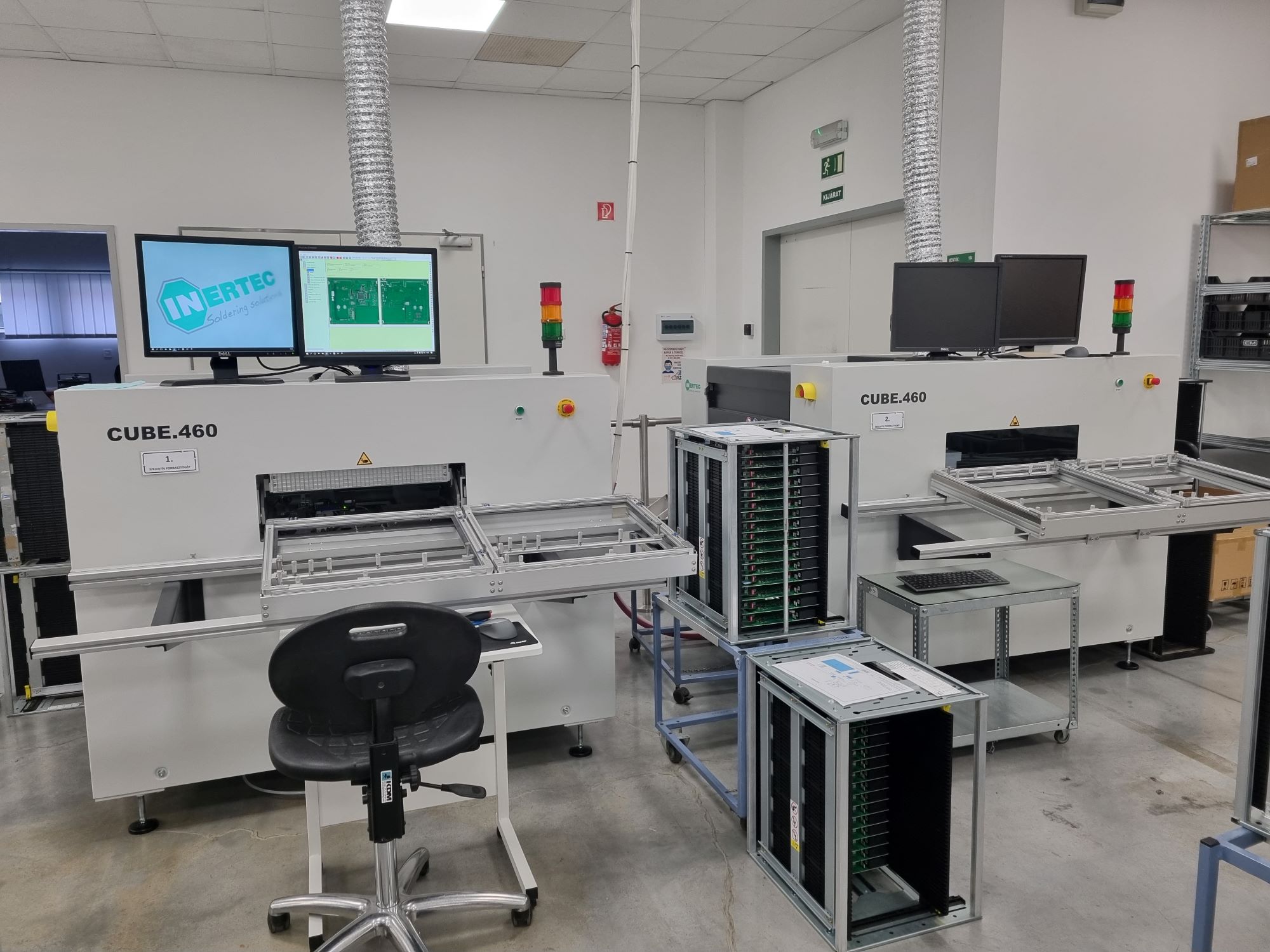
ElektroMont operates two Inertec CUBE.460 systems and one EBSO SP400NC system. This technology enables the precise creation of individual solder joints without exposing surrounding components to excessive thermal stress.
Selective soldering processes are compliant with IPC-A-610 soldering standards, allowing them to meet the high quality requirements of demanding electronics manufacturing projects.
Flexible Solutions from Prototype to Serial Production
The combined application of manual and automated soldering technologies enables us to select the most appropriate assembly method for each product. The choice of technology depends on PCB design, component types, and production volumes.
At ElektroMont, through-hole assembly is not simply a traditional manufacturing method but an essential part of stable and long-term reliable electronics production.